
Indirect talks between US and Iranian representatives have proved difficult and inconclusive. A think tanker presented the context, “Iran’s leaders’ main priority is preserving their regime. They survived the Israeli-US strikes last June, they have just got through another round of protests in January. This is another test. Iran has maintained its leverage through two tools to project its power – its network of allies and proxy militias across the region and its nuclear program. As we all know, from Assad to Hizbullah and Hamas, Iran’s networks have been severely degraded but not destroyed. The main asset they have left is their nuclear program, so is it realistic to think that they will give it up?”
“Regime change is highly unlikely”, a former Western diplomat told Field. “You just can’t impose regime change from an F-35. The US did not come in support of the protestors in January, and what would that support have looked like? Arming the mob? Eliminating more of the leadership? None of that would actually facilitate change.”
A US analyst presented a US domestic view, “This Administration wants headlines that show achievements and puts bad news further in the rear-view mirror. A deal in Geneva or ‘giving one to the Mullah’s’ could both do that. But why now?”
A regional analyst suggested that both in the US and Israel leaders have their eye on elections – Israeli parliamentary elections are on 27 October and the US mid-terms are on 3 November. “It’s cynical, but this is the politics of the Middle East, so it is also probably true to say that Bibi [Netanyahu] remains keen to avoid going to jail and does not want his term and his political immunity from prosecution to end. Wouldn’t surprise me if we had a limited conflict, and he [Netanyahu] calls a snap election much earlier as he really doesn’t want an election just as the anniversary of the 7 October 2023 Hamas attack takes place – especially since a lot of Israelis hold him accountable for multiple failures then, through the war and now. So some kind of success against Iran and an election in early summer would work much better for Bibi personally,”
“The position for Trump is complicated,” the US analyst told us. “He needs solid foundations going into the mid-terms. He needs success in these elections, to push through his agenda and to potentially position himself for that third term that no-one is really sure whether he is actually serious about. He’s got half the country against him already and so he can’t afford to lose any of his own voters. Some of the MAGA crowd might enjoy a strike on our old bogeyman enemy Iran, but there is an increasing component that do not want to spend money on any more wars and who definitely do not want to be fighting a proxy war for Israel where there is no US interest.”
This weekend the Israeli press carried a story about a senior Saudi source apparently presenting a view in favour of striking Iran. This appears to be a lone outlier. A former Arab diplomat told us that “The Arab governments are wary of unnecessary conflict in the region and privately angry that the US is supporting Netanyahu’s personal agenda and a rabidly extremist Israeli government. The Mike Huckabee [US Ambassador to Israel] interview on Friday saying that Israel should absorb ‘the lands they control’ – he means Gaza and the West Bank, and therefore East Jerusalem – as well as potentially other parts of the Middle East, that really fuelled the flames.”
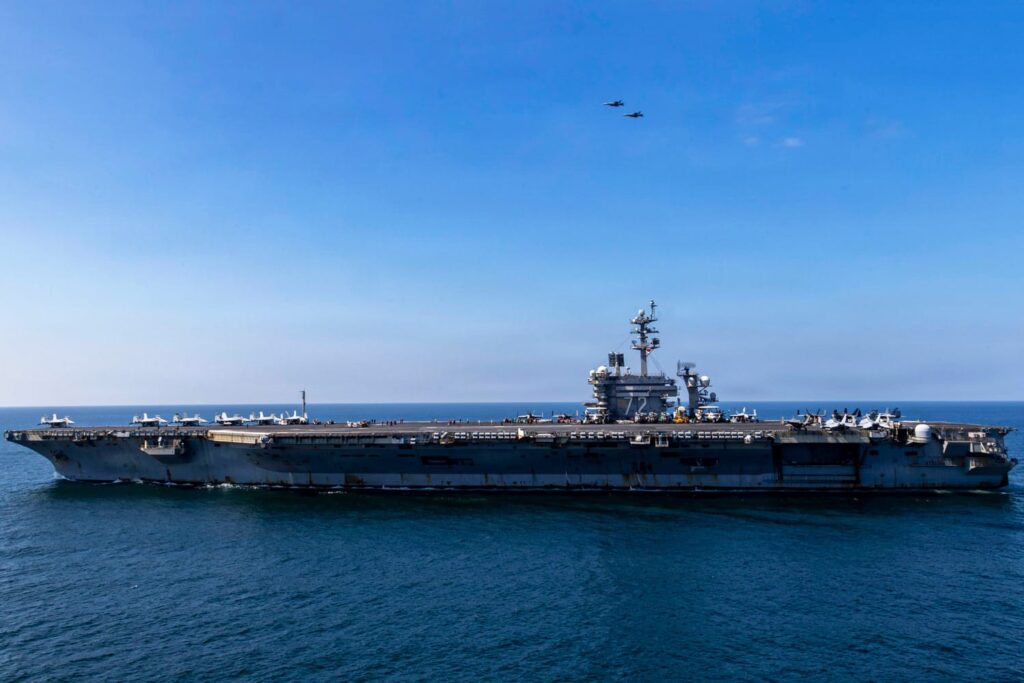
A former Western security source told us that, “The Israeli security cabinet met last night and is reported to be meeting again today. US air defence systems are being set up to intercept possible Iranian missiles targeting US facilities in the region and Israel. All of the US military assets required for a sustained combat operation are in theatre. The prospect of conflict is very high.”
The next round of talks between US Envoy Steve Witkoff and Iranian Foreign Minister Abbas Araghchi are scheduled for Thursday in Geneva. The Iran watcher told Field that “It is just possible that the US may strike ahead of Thursday if they feel that there is no prospect of a deal that’s enough of an achievement. It’s easier to kick over the table than carry on. That would lead to some counter-strikes and it could all be over in a few days. Or it could be the start of something that no-one really wants to happen, apart from the extremists.”
A military analyst told Field “If it kicks off, it depends on whether it’s performative or there are real military objectives. If the Americans conduct strikes on missile production sites during the night when casualties will be low, empty facilities, bases which have already been targeted then the Iranians will respond in kind. They will fly slow drones at Israel which can be easily shot down, attack a US facility in Iraq or Syria and everyone can say that honour has been satisfied. If they kill Khamanei or attack any serious IRGC [Iranian Revolutionary Guard Corps] assets, then all bets are off.”
A think tanker added, “Iran may treat any attack, limited or not, as a declaration of war. We cannot assume that they will behave the way they have previously. The US should be careful about starting something with an unpredictable, desperate and very dangerous adversary.”