
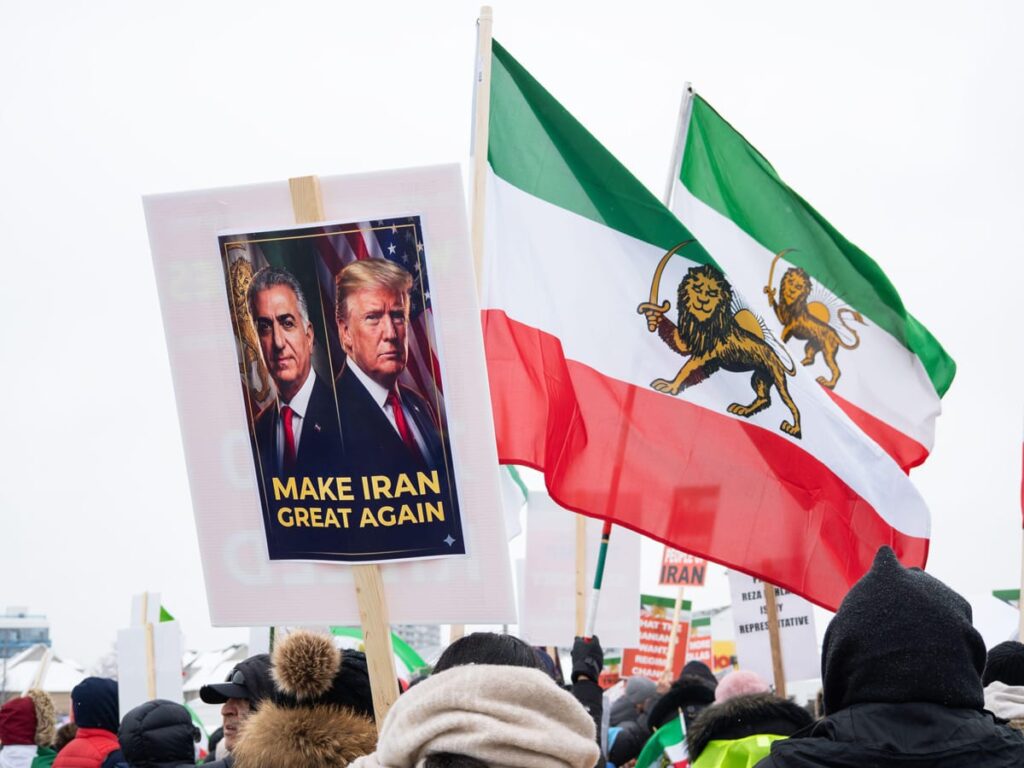
“An Iranian expatriate commented that “this is different from previous protests – 2019, the 2022 Mahsa Amini protests, it is far more violent.” A source in Iran told Field that rubber bullets and real live ammunition are being aimed at protestors’ heads by the Basij and IRGC [The Iranian Revolutionary Guard Corps, is the 200,000 strong praetorian guard of the Islamic Republic. The basij is the volunteer paramilitary force that numbers in the hundreds of thousands of Iran’s population of 92 million].
Figures vary as to the number of dead but it appears as though several hundred have been killed, including dozens of regime personnel alongside the protestors. “Every ten minutes or so new people would be brought into the hospital” said one eyewitness to Field, messaging via Star Link. “They almost all had gunshot wounds to the face or head. Government officials would simply arrest those who were able to leave the hospital and take them to prison.”
An Iran watcher told Field that “The regime is fighting a rearguard action in the narrative space as well as on the streets, publishing CCTV footage of armed protesters shooting at troops, questioning the economic grievances of those who can burn shops and loot, asking ‘middle Iran’ if these are the people who have Iran’s best interests at heart. But the Islamic Republic’s narrative no longer has purchase in the minds of the vast majority of the Iranian people. Enough is becoming enough.”
The regime appears to have run out of what few carrots they could offer to appease the grievances which simmer constantly below the surface of Iranian society. An increase in subsidies to Iranian people last week increased the number of protesters flooding the streets. “We don’t want their money,” An Iranian businessman told Field, “We want them gone.”
The Western diplomat added “It’s for this reason that Khamenei and his IRGC advisors have chosen the stick. And the gun and the water cannon. They are out of options.”
The think tanker struggled with a new acronym “WhaDIWOOT – What Does Israel Want Out Of This,” they asked, “it’s a good indication of where the US Administration may go.” As of yesterday there were public reports of the US Administration preparing initially non-military and subsequently military options. “Everyone is saying it, and I agree that the Americans have put themselves in a corner. They were prepared to join in bombing Iran in support of Israel in June, but can they really not support the Iranian people against the Mullahs? Especially after all of the Trump statements. So, we should expect some American action in the days ahead.”
Given the fractured, angry, space that is the Iranian street, direct US involvement in an escalating instability that may lead to more open conflict, some kind of revolution or even civil war carries many risks. The Iran watcher noted some of the immediate risks posed by Iran’s disintegration: “Who to back is but one of many thorny questions that mitigate against an easy win for Donald Trump in Iran. Regional conflagration, ethnic chaos spanning Syria, Turkey, Afghanistan and Iran, energy prices through the roof, plus the very real threat of a resurgent ISIS.”
A regional analyst in Istanbul noted that “The Turkish leadership are worried. Worried about Kurdish separatists in Iran gaining ground and equally just worried about a raging Iranian opposition movement gaining traction across their border. They are looking to ban all protests against Iran in Turkey.”
“Crown Prince Reza Pahlavi has occupied an ambiguous space in Iran’s opposition landscape,” the Iran watcher told Field. “He has no experience in being ruthless and he isn’t popular enough to make a material difference, he has long been a divisive figure and has occasionally appeared more concerned with squabbling with his anti-regime rivals than taking the fight to Khamenei. But now, by virtue of a largely empty playing field of credible opposition figures, he is having a moment on the streets of Iran and in the White House. He may well be able to provide a symbolic figurehead and could even somehow emerge as a viable post-Islamic Republic leader, even if only temporarily.”
“The regime has few good options left, other than continuing violence,” the Western diplomat told us. “Although we’ve not seen elite fractures yet, any signs of these would be an indication that the regime is entering its final days. Likewise, should Iran’s oil workers go on strike, given their central role in Iran’s tattered economy and their historical alignment with the Islamic Republic, then the game really might just be up.
The Iran watcher noted, “This is the sixth time that the regime has fought back against nationwide protests of varying intensity since 2009. They will be more worried this time because last June the Israelis showed them how deeply they had penetrated Iran by assassinating 30 security chiefs at will. External intervention could hurt the regime but decisive change must come from within Iran.”